
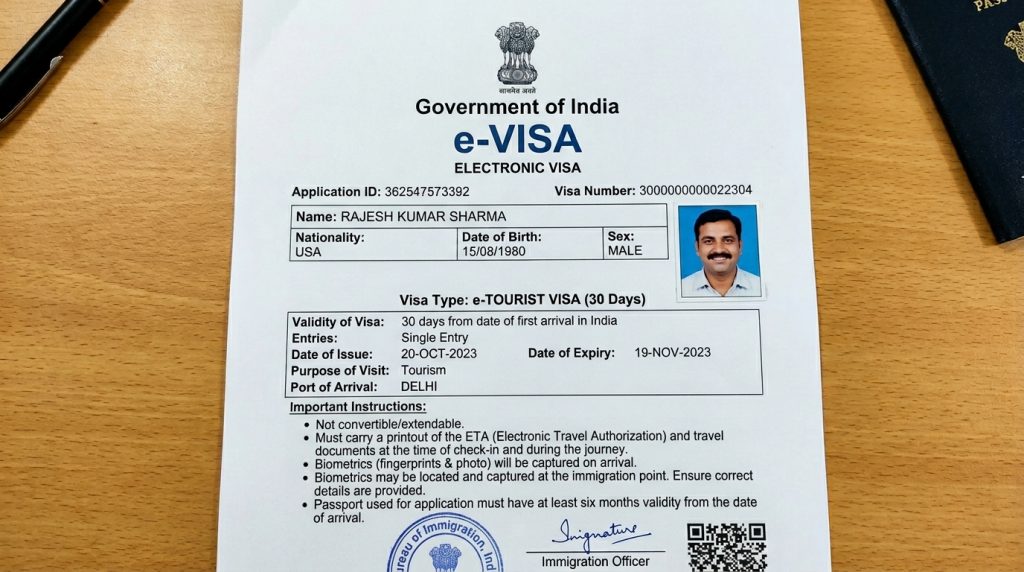
Navigating international entry requirements is a critical component of organizing an efficient overseas trip. For global travelers heading to India, the transition to a fully digital immigration framework has significantly simplified this process. The Indian electronic visa (e-Visa) system allows eligible foreign nationals to secure official entry authorization entirely online, removing the traditional requirement to visit an embassy or submit physical passports by mail. To achieve a seamless border clearance, applicants must ensure they select the precise digital visa category that aligns perfectly with the core objective of their journey.
Streamlining Global Commerce
India continues to cement its status as a major epicenter for international trade, technological innovation, and corporate expansion. As organizations worldwide look to build strategic alliances, establish manufacturing pipelines, or participate in localized industrial exhibitions, administrative efficiency becomes a primary concern for traveling personnel.
For international executives, investors, and technical experts heading to the region for commercial purposes, securing a BUSINESS VISA FOR INDIA is a mandatory step before departure.
This specific electronic entry permit is uniquely tailored to meet the dynamic needs of modern enterprise. It accommodates activities such as attending corporate board meetings, executing contract negotiations, setting up legal business structures, or hiring local workforce talent. This digital visa generally offers long-term flexibility with multiple-entry privileges, allowing professionals to manage complex regional projects over an extended validity period without the disruption of constantly submitting new applications. To ensure prompt online approval, applicants must prepare specific supporting commercial documents, which typically include a clear digital scan of their corporate business card and a formal invitation letter from the hosting entity registered in India.
Accessing Advanced Medical Care
In parallel with its growth as a commercial powerhouse, India has emerged as a premier global hub for specialized healthcare and medical tourism. Patients from all corners of the world travel to the country’s leading healthcare institutions to receive world-class treatments, complex surgical interventions, and advanced therapeutic care that may be unavailable or cost-prohibitive in their home countries.
When planning a journey dedicated exclusively to clinical care, patients are required to obtain a MEDICAL VISA FOR INDIA.
The medical e-Visa is structured to address the complex timelines often associated with healthcare journeys, granting multiple entries within its designated operational window to accommodate critical follow-up examinations, consecutive therapy sessions, or post-operative rehabilitation. Unlike standard leisure travel permits, the documentation standard for this category is highly specific. The cornerstone of a successful application is an official, system-generated medical invitation letter from an accredited, government-recognized hospital or specialized clinic in India, explicitly stating the patient’s condition and confirming the scheduled treatment timeline. Furthermore, because navigating medical procedures alone is a profound challenge, the system allows up to two family members or trusted companions to apply for an accompanying attendant visa to provide essential physical and emotional support during the recovery process.
Essential Protocols for Travelers
While the digital visa application platform is designed for maximum accessibility, absolute precision during data entry is crucial to prevent processing delays or border issues. Every applicant must hold a machine-readable passport that maintains at least six months of validity from the exact date of arrival in the country, and the physical passport must contain at least two completely blank pages to accommodate entry and exit stamps from border control officials. Once the electronic travel authorization is successfully processed and delivered via email, travelers should print a high-quality physical copy to keep securely with their passports, ensuring immediate verification upon arrival at designated international airports or maritime seaports.
