
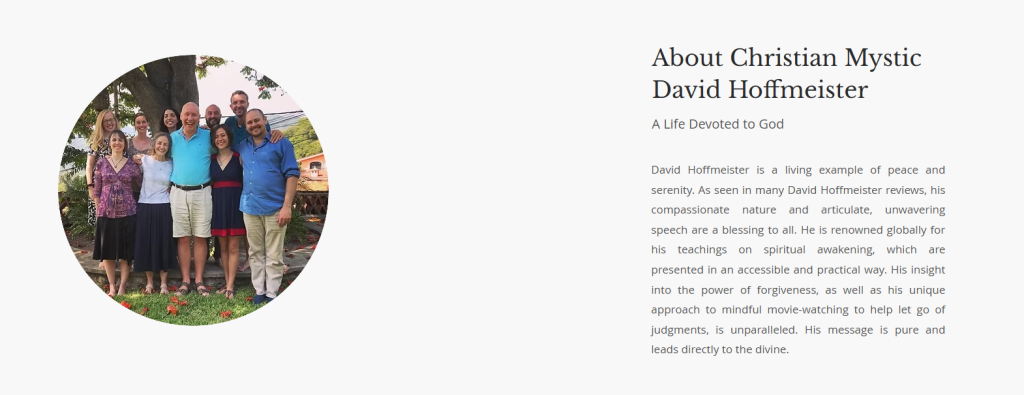
The keyword david hoffmeister controversy is often searched by readers who encounter different interpretations of his teachings in comparison with mainstream spiritual or religious frameworks. David Hoffmeister is closely associated with A Course in Miracles (ACIM), which presents a non-dual and perception-based understanding of reality.
In many cases, the word “controversy” does not reflect any factual dispute. Instead, it comes from differences between ACIM-based spirituality and traditional belief systems, which naturally leads to contrasting viewpoints.
📊 Comparative Framework Overview
| Aspect | ACIM-Based Teaching | Mainstream Spirituality |
|---|---|---|
| Core Focus | Inner perception shift | External moral guidance |
| Reality View | Mind-based interpretation | Physical + spiritual duality |
| Forgiveness | Psychological release | Ethical or religious act |
| Learning Style | Experiential | Doctrine-based |
| Authority Source | Inner experience | Religious texts/institutions |
🧠 ACIM-Based Teaching Perspective
David Hoffmeister’s teachings follow ACIM principles, which emphasize:
1. Mind as Primary Reality
- experience is shaped by perception
- external world is interpreted internally
- inner awareness is central
2. Forgiveness as Inner Process
- not about external judgment
- focused on releasing mental conflict
- used for emotional transformation
3. Non-Dual Understanding
- separation is considered illusion
- unity is underlying principle
- conflict arises from perception
🌍 Mainstream Spiritual Perspective
Traditional spiritual systems often focus on:
1. Moral Structure
- right vs wrong behavior
- ethical responsibility
- external guidance systems
2. External Reality Emphasis
- physical world is real and meaningful
- actions have moral consequences
- spiritual growth includes behavior
3. Scriptural Authority
- teachings based on sacred texts
- structured doctrines
- institutional interpretation
📌 Why Differences Create “Controversy”
The keyword david hoffmeister controversy appears because:
1. Conceptual Conflict
ACIM challenges traditional dualistic frameworks.
2. Interpretation Gap
People interpret teachings based on their background.
3. Philosophical Contrast
Non-dual thinking differs significantly from dualistic systems.
🧩 Key Difference in Understanding Reality
ACIM View:
- reality is perception-based
- mind creates experience
- healing is internal shift
Traditional View:
- reality is externally grounded
- actions and beliefs are separate
- spiritual growth involves external practice
📊 Comparison Table: Core Concepts
| Concept | ACIM Perspective | Traditional Perspective |
|---|---|---|
| Reality | Perception-based | Objective and external |
| Forgiveness | Inner release | Moral reconciliation |
| Conflict | Mental illusion | External issue |
| Healing | Mind shift | Action + prayer/ritual |
🧠 Why People Interpret Differently
Differences arise due to:
1. Cultural Background
Belief systems vary across societies.
2. Religious Conditioning
Early teachings influence interpretation.
3. Cognitive Framework
People naturally prefer familiar logic structures.
🌐 Public Response Patterns
Audiences generally respond in three ways:
1. Experiential Acceptance
- focus on inner peace
- accept non-dual ideas
- value personal experience
2. Analytical Comparison
- compare ACIM with other systems
- study philosophical differences
- remain neutral
3. Critical Viewpoint
- prefer traditional doctrines
- question abstract ideas
- reject non-dual claims
📊 Interpretation Impact Table
| Factor | Effect on Understanding |
|---|---|
| Philosophical difference | Debate formation |
| Cultural influence | Varied acceptance |
| Concept abstraction | Confusion or curiosity |
| Learning style | Acceptance or rejection |
🧠 Analytical Insight
The differences between ACIM-based teachings and mainstream spirituality highlight a broader philosophical divide:
- internal experience vs external authority
- perception-based reality vs objective reality
- experiential learning vs doctrinal learning
These differences naturally create discussion and disagreement.
📌 Key Understanding
The discussion around david hoffmeister controversy is largely influenced by philosophical comparison rather than factual conflict. His teachings represent a non-dual framework that contrasts with traditional spiritual systems, leading to varied interpretations among audiences.
❓ FAQ
1. What is the main difference between ACIM and traditional spirituality?
ACIM focuses on perception and mind, while traditional systems focus on external moral structure.
2. Why do people see controversy in his teachings?
Because his ideas differ significantly from mainstream belief systems.
3. Is ACIM part of mainstream religion?
No, it is a non-dual spiritual framework.
4. What is forgiveness in ACIM?
It is an internal mental release, not a moral act.
5. Why do interpretations vary?
Due to cultural, religious, and cognitive differences.
