
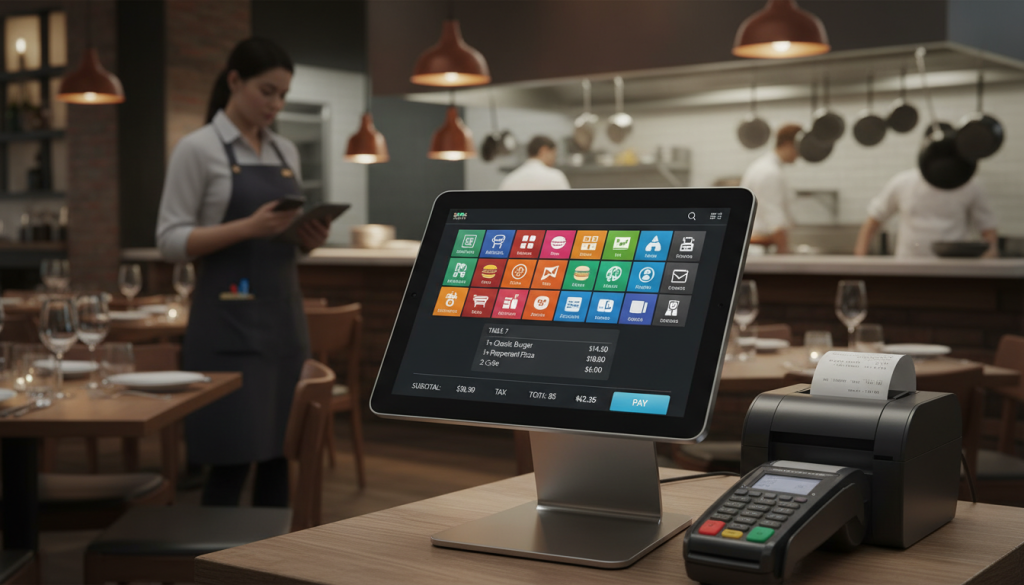
The landscape of the UK hospitality industry has shifted dramatically over the last few years. While the heart of a great restaurant remains its food and service, the “engine room” that powers a successful business is increasingly digital. For independent owners and expanding chains alike, the choice of a point of sale for restaurants is no longer just about processing transactions; it’s about managing an entire ecosystem of data, efficiency, and customer satisfaction.
In an era where operational costs are rising, the difference between profit and loss often comes down to how well you can optimize your workflow.
Moving Beyond the Cash Register
Traditional tills are becoming a relic of the past. Modern diners expect speed, accuracy, and flexible payment options. This is where a dedicated restaurant epos system proves its worth. Unlike generic retail software, a system designed specifically for the hospitality sector understands the unique chaos of a Friday night service.
It manages complex tasks—such as table mapping, split billing, and coursing—without skipping a beat. When your technology works seamlessly, your staff can focus on what they do best: providing a “human touch” to the dining experience rather than fighting with a slow interface.
Streamlining Communication: Front-of-House to Kitchen
One of the most significant bottlenecks in any restaurant is the communication gap between the server taking the order and the chef preparing it. A high-quality point of sale for restaurants eliminates the need for handwritten tickets that can be misread or lost.
With handheld ordering devices linked directly to the kitchen, orders are sent instantly. This real-time synchronization reduces wait times, increases table turnover, and significantly lowers the margin for error. In the competitive UK market, where online reviews can make or break a reputation, the speed and accuracy provided by a professional restaurant epos system are invaluable.
Data-Driven Growth and Inventory Control
Effective management requires more than just intuition; it requires hard data. Modern EPOS solutions provide deep insights into your business performance. Owners can track which menu items are performing well, identify peak hours to optimize staffing levels, and monitor food waste.
Inventory management is another area where specialized software shines. By tracking every ingredient used in every dish, a restaurant can maintain tighter control over its margins. If a particular steak cut isn’t selling or a bottle of wine is consistently over-poured, the data will show it. Companies like Cube POS provide the infrastructure necessary to turn these raw numbers into actionable business strategies.
Integration in the Modern Economy
Today’s restaurant isn’t just a physical location; it’s a digital presence. A robust EPOS system should integrate with:
- Third-party delivery apps: Bringing all orders into one central screen.
- Reservation platforms: Syncing table availability automatically.
- Accounting software: Reducing the hours spent on manual bookkeeping.
- Customer Loyalty Programs: Encouraging repeat visits through personalized rewards.
Reliability: The Professional Choice
Hospitality environments are demanding. Between the heat of the kitchen and the fast-paced nature of the floor, consumer-grade hardware often fails. Professional solutions are built for durability and offer 24/7 support—a critical factor when your business operates outside of standard 9-to-5 hours.
Investing in a high-tier EPOS system is not just an expense; it is a foundational investment in the longevity of the brand. It ensures that as your restaurant grows, your technology is a catalyst for that growth rather than a bottleneck.
Final Thoughts
The UK hospitality sector is resilient, but the modern diner is more discerning than ever. By adopting a sophisticated point of sale for restaurants, you are providing your team with the tools they need to excel. From reducing order errors to mastering your inventory, a professional restaurant epos system is the silent partner every successful restaurateur needs.
Whether you are launching a new concept or upgrading an existing site, prioritizing your digital infrastructure is the first step toward a more profitable, streamlined, and stress-free operation.
