
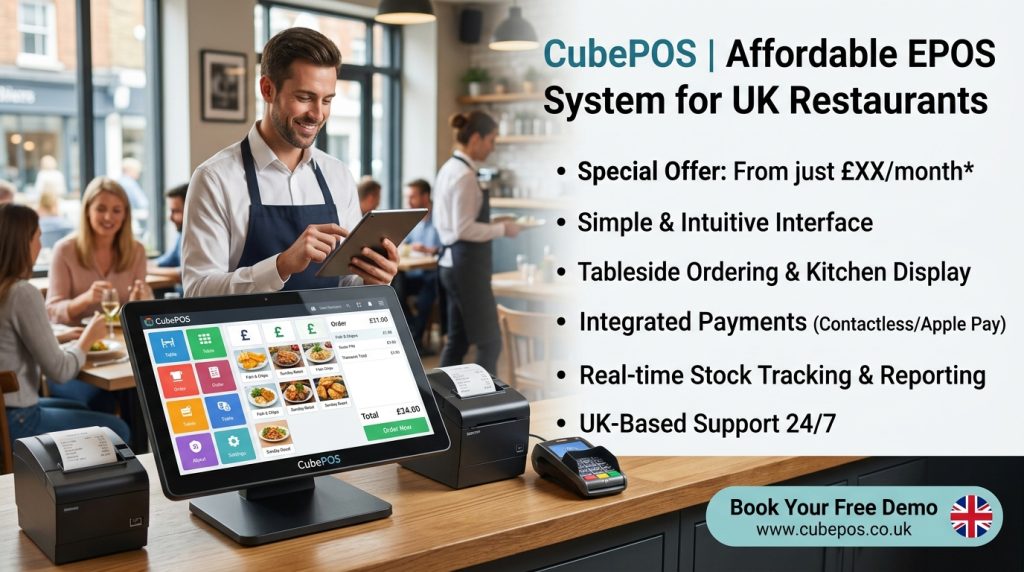
The hospitality industry in the United Kingdom is witnessing a remarkable digital transformation. As we move through 2026, the success of a specialty coffee shop is no longer determined solely by the richness of its roast, but by the efficiency of the technology powering its service. For independent cafe owners and growing national chains, the move from legacy cash registers to integrated digital ecosystems has become a vital strategy for maintaining profitability in a fast-paced market.
Mastering the High-Volume Rush in the Capital
In a city that moves as quickly as London, the ability to serve a high-quality product at peak speeds is a primary competitive advantage. For businesses utilizing an ePOS System for Coffee house in London, technology acts as the essential tool for managing the intense morning commute. In the city’s busy financial and creative districts, a delay of even a few seconds per transaction can lead to lost revenue as queues potentially migrate to nearby competitors.
Modern systems facilitate a frictionless flow by integrating mobile ordering, rapid contactless payments, and direct communication with the barista station. This connectivity ensures that specialized orders—such as specific dairy alternatives or complex flavor profiles—are recorded accurately and prepared immediately. By reducing human error and minimizing wait times, London’s coffee houses can maximize their daily throughput while maintaining the high hospitality standards that urban diners expect.
National Growth and Precision Management
While speed is critical in metropolitan areas, long-term sustainability across the country depends on meticulous data management. Implementing a robust POS System for Coffee house UK provides entrepreneurs with the bird’s-eye view necessary to scale their operations. Whether managing a single boutique roastery or a regional brand, data-driven insights are essential for navigating rising costs and shifting consumer behaviors.
The most significant benefit of a specialized system is its capacity for granular inventory management. By tracking every gram of coffee beans and every pastry sold against real-time stock levels, managers can identify waste patterns and optimize their supply chains. This precision prevents “out of stock” scenarios during peak periods and ensures that capital is not tied up in excess inventory. Furthermore, integrated reporting tools allow owners to analyze sales trends, helping them engineer more profitable menus and schedule staff more effectively based on historical performance.
Essential Features for a Modern Competitive Edge
To truly future-proof a business in today’s economy, a coffee house management system must offer more than just payment processing:
- Integrated Loyalty Programs: Automatically reward regular customers to foster a strong community and drive repeat visits.
- Offline Functionality: Ensure that the shop remains operational and can process payments even if the internet connection is temporarily interrupted.
- Staff Management: Monitor individual performance and manage shift schedules to optimize labor expenditures.
- Multi-Channel Integration: Consolidate in-house sales and third-party delivery orders into one unified dashboard.
Investing in Long-Term Success
As the UK’s love for premium coffee continues to grow, the technology behind the counter must be as refined as the beverages themselves. By automating administrative tasks like stock-taking and billing, staff are empowered to focus on the human element of hospitality. Investing in a reliable, scalable digital infrastructure today is the most effective way to ensure a coffee house remains a resilient and profitable staple of the community for years to come.
