
India is a destination that captures the imagination like no other. It is a land where the echoes of ancient civilizations meet the high-speed pulse of modern technology, creating a kaleidoscopic experience for every visitor. From the rhythmic crashing of the waves in Goa to the silent, majestic grandeur of the Taj Mahal, the subcontinent offers a journey that is both deeply spiritual and intensely vibrant. As we move further into 2026, the Indian government’s commitment to welcoming the world has never been clearer, thanks to a streamlined digital entry system that bridges the gap between continents.
A Modern Gateway to Ancient Wonders
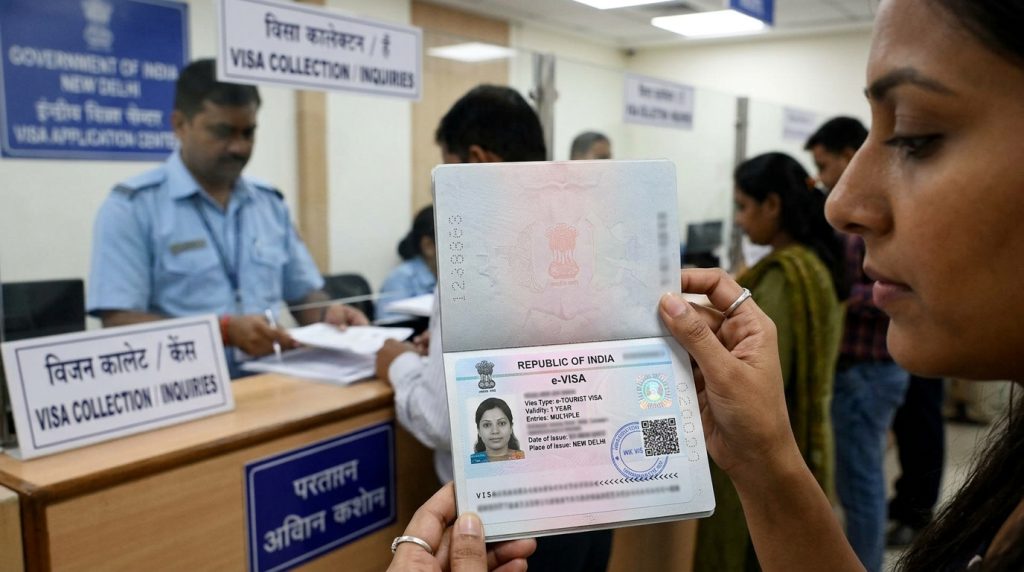
The cornerstone of India’s accessibility is the e-Visa program. This initiative has replaced the traditional, complex paperwork of the past with a high-tech, user-friendly electronic portal. This shift has not only boosted global tourism but has also made India a top choice for business professionals and those seeking world-class medical treatments. By prioritizing digital innovation, the Kingdom of India has ensured that the “Hafawah” (legendary hospitality) begins long before a traveler even boards their flight.
The bond between East Africa and the Indian subcontinent is particularly strong, rooted in centuries of trade and shared history across the Indian Ocean. For those planning a trip from Nairobi or Mombasa, the administrative path is incredibly smooth. Obtaining an INDIAN VISA FOR KENYAN CITIZENS is now a straightforward online process. This digital authorization allows visitors to explore the bustling markets of Mumbai or the serene tea gardens of Darjeeling with ease, fostering a new era of cultural and economic exchange between the two regions.
Connecting the Pacific to the Heart of South Asia
India’s digital reach extends even to the most remote corners of the globe. The nation has made a concerted effort to ensure that travelers from island nations can access the subcontinent without the need for physical embassy visits, which can be difficult to arrange in the Pacific region. This inclusivity is a hallmark of India’s “Atithi Devo Bhava” philosophy—the belief that the guest is equivalent to God.
For explorers coming from the Central Pacific, the journey starts with a simple electronic application. Securing an INDIAN VISA FOR KIRIBATIAN CITIZENS involves a user-friendly digital form where applicants provide basic travel and passport details. Once approved, the document is sent via email, making it possible for travelers from Tarawa and beyond to experience the historical depth of Delhi or the tranquil backwaters of Kerala. This ease of access ensures that geographical distance is no longer a barrier to witnessing India’s cultural splendor.
Preparing for Your Subcontinental Adventure
To make the most of your visit, a small amount of preparation is essential. The ideal time to explore most of India is during the cooler months, from October to March, when the weather is perfect for sightseeing and outdoor festivals. Travelers should ensure their passports are valid for at least six months from the date of arrival and contain at least two blank pages for immigration stamps.
While the e-Visa is a digital document, keeping a printed copy on hand is a recommended best practice for check-ins at hotels and domestic airports. By embracing the modern entry systems available today, international travelers can step into a world of vibrant colors, spicy aromas, and timeless traditions. India is ready to share its stories with the world—all you have to do is take the first step.
