
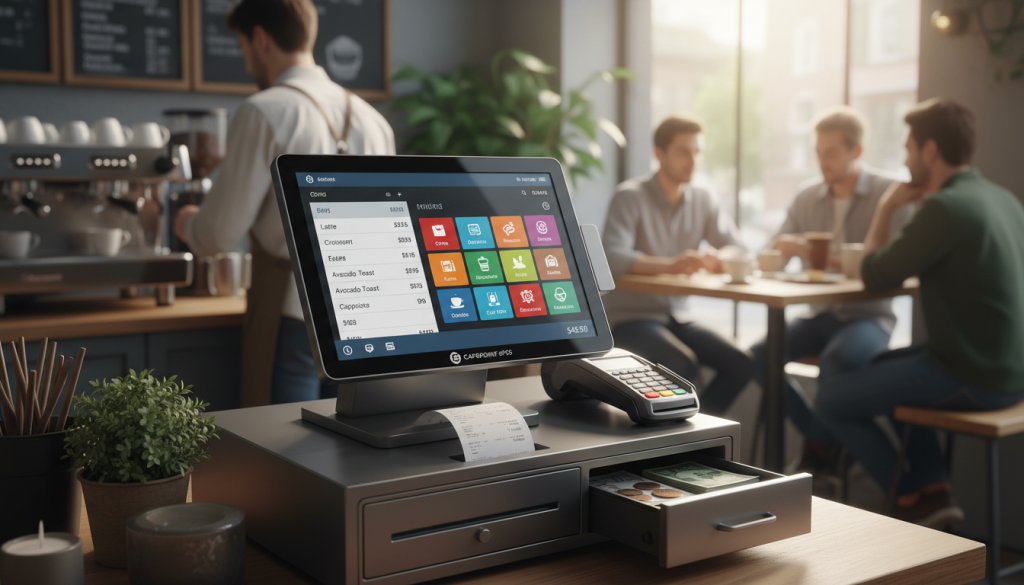
In the current landscape of the UK hospitality industry, the difference between a thriving establishment and one that struggles often comes down to seconds. Whether it’s the speed of a morning espresso service or the precision of a three-course dinner rush, efficiency is the invisible ingredient in every successful recipe. For business owners, the transition from traditional cash handling to a sophisticated epos for restaurant environments isn’t just about digitizing sales; it’s about reclaiming control over the entire operational workflow.
The Frictionless Floor: Enhancing the Guest Experience
The primary goal of any service-based business is to remove friction. When a guest enters a restaurant, they are there for the atmosphere and the flavors, not to wait for a server to fight with an outdated terminal. A high-spec epos for restaurant acts as a bridge between the front-of-house and the kitchen.
By utilizing mobile ordering and real-time syncing, orders are transmitted instantly to kitchen display systems. This eliminates the “dead time” spent walking back and forth to a central till, allowing staff to spend more time engaging with customers—the human touch that truly builds loyalty. Moreover, these systems reduce human error, ensuring that “no onions” or “extra spicy” requests are never lost in translation.
The High-Volume Challenge: Precision in the Cafe Sector
Cafes and coffee shops operate on a unique rhythmic pulse. The morning rush requires a level of transactional speed that full-service restaurants rarely encounter. In this environment, every click matters. A dedicated cafe point of sale system is designed specifically for these high-pressure windows.
A professional cafe POS focuses on:
- Intuitive Interface: Minimizing the number of taps required to complete a complex latte order.
- Integrated Loyalty: Automatically tracking “tenth cup free” rewards to keep local commuters coming back.
- Fast Payments: Seamlessly handling contactless, mobile, and card payments to keep the queue moving.
When a cafe owner implements a system like those offered by Cube POS, they aren’t just buying a screen; they are investing in the ability to serve more customers per hour without increasing staff stress levels.
Turning Data into Decisions
One of the most significant advantages of a modern POS system is the shift from “guessing” to “knowing.” In the past, end-of-day reporting was a manual, grueling process. Today, real-time analytics provide a window into the health of the business at any moment.
With deep-dive reporting, owners can identify their most profitable menu items and spot trends before they become problems. If a certain pastry isn’t selling by 11 AM, or if labor costs are spiking during a quiet Tuesday afternoon, the data is there to guide a pivot. This level of insight allows small independent shops to compete with the analytical power of major chains.
Future-Proofing in a Digital-First World
The UK’s hospitality sector is moving rapidly toward an integrated ecosystem. Inventory management, staff scheduling, and even accounting software now talk directly to your point of sale. Using a fragmented or outdated system creates “data silos” that slow down growth.
Choosing a scalable epos for restaurant use ensures that as you expand—whether by adding a patio, launching a delivery wing, or opening a second location—your infrastructure is ready to handle the load. The modern consumer expects options, including QR code ordering at the table and “click and collect” features. A professional POS is the foundation upon which these modern conveniences are built.
Final Thoughts: The Human Element Supported by Tech
Ultimately, technology in hospitality should be felt but not seen. It should empower the barista to smile at the customer because they aren’t worried about a crashing till. It should allow the restaurant manager to spend time on the floor because the inventory reports are already automated.
By investing in a specialized cafe point of sale system or a robust restaurant solution, you are essentially buying back time. In an industry where time is the most expensive commodity, that is the smartest investment a business owner can make.
