
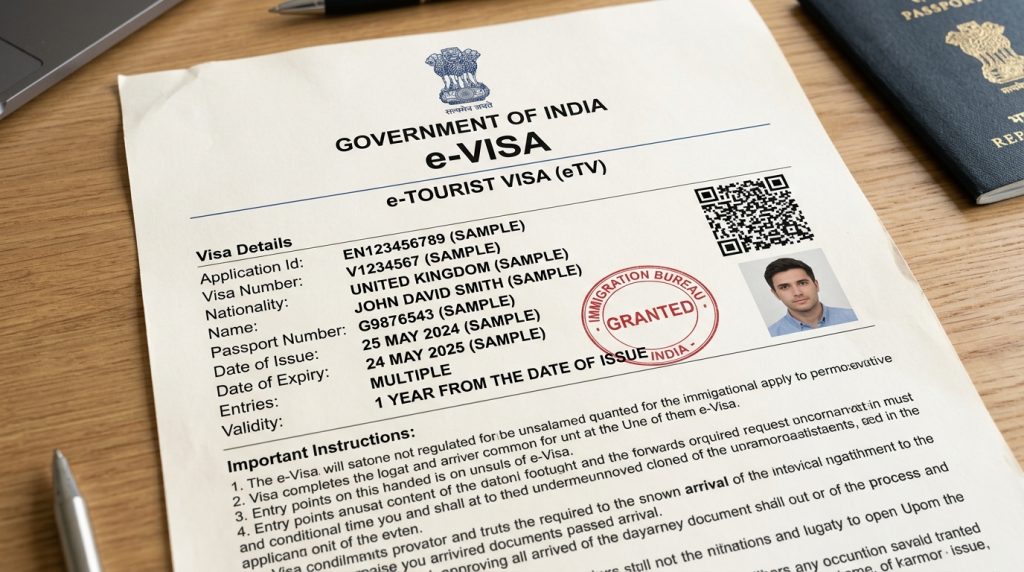
India’s extensive coastline and bustling ports serve as a vital hub for international maritime trade. Whether you are a professional seafarer arriving to join a vessel or a traveler eager to explore the diverse landscapes of the subcontinent, proper administrative and health preparation is the bedrock of a successful visit. Navigating the regulatory landscape—from maritime entry permits to essential health precautions—ensures that your time in India is focused on your work or your journey, rather than troubleshooting logistics.
Maritime Entry: Requirements for Seafarers
For maritime professionals, the rules surrounding entry are specialized. The Bureau of Immigration maintains rigorous standards for foreign crew members arriving at Indian ports. Generally, if you are a foreign national arriving to board a ship, it is imperative to hold the correct documentation to avoid being denied entry or facing complications during crew changes.
For those in the shipping industry, obtaining the proper INDIAN VISA FOR SEAMAN AND SEA VESSEL CREW is a critical prerequisite. It is important to remember that port-specific regulations can vary, and some facilities are not equipped to process e-visas, necessitating a traditional sticker visa. Maritime management agencies often suggest applying well in advance, ensuring that your Continuous Discharge Certificate (CDC) and invitation letters from your shipping agent are meticulously prepared. Being proactive with these documents allows for a smooth transition from the airport to the port, preventing delays that could impact vessel departure schedules.
Prioritizing Health: Vaccination and Wellness
India offers a vibrant, sensory-rich experience, but it also presents unique health considerations. Travelers should prioritize their well-being by consulting with a medical professional at least six to eight weeks before departure. While routine immunizations—such as Tdap (tetanus, diphtheria, and pertussis) and MMR (measles, mumps, and rubella)—should be up to date for everyone, there are specific protections often recommended for the region.
When reviewing the RECOMMENDED VACCINES FOR INDIA TRAVEL FOR TOURISTS, you will find that diseases like Hepatitis A and Typhoid are frequently highlighted due to their transmission via food and water. Depending on your itinerary—such as whether you plan to spend time in rural areas or engage in extensive outdoor activities—your doctor might also suggest vaccinations for Japanese Encephalitis or Rabies. Furthermore, proof of Yellow Fever vaccination is mandatory if you are arriving from a region with active transmission.
Best Practices for a Smooth Indian Experience
- Verify Your Port Logistics: If you are a crew member, coordinate closely with your local shipping agent. They are your best resource for understanding whether your specific port requires an e-visa or a physical sticker visa.
- Maintain Documentation: Keep digital and physical copies of all your visas, vaccination certificates, and appointment letters. Having these easily accessible can save hours of processing time at customs or immigration.
- Practice Food and Water Safety: Regardless of your vaccination status, always prioritize bottled or treated water and eat at reputable, busy establishments to minimize the risk of foodborne illnesses.
- Stay Updated on Health Policy: India’s health entry requirements can change based on global outbreaks. Checking the official Ministry of Health and Family Welfare portals shortly before you fly ensures that you are compliant with the very latest protocols.
By handling these logistical and health-related requirements with care, you lay a solid foundation for your time in India. Whether you are fulfilling professional maritime duties or setting off on an adventure, proper preparation is the most effective way to ensure your visit is productive, safe, and truly memorable.
