
The financial landscape for ultra-high-net-worth individuals has undergone a profound transformation. Once viewed primarily as quiet, conservative vehicles for preserving multi-generational wealth, “Family Offices” have evolved into dynamic, high-impact engines of global investment. Today, these entities function with the agility of venture capital firms and the strategic foresight of institutional hedge funds, actively participating in sectors ranging from cutting-edge technology and real estate to the creative arts.
The Shift to Active Investment
Modern family offices are no longer satisfied with passive wealth management. Instead, they prioritize “active investment” strategies, which involve direct involvement in the growth of startups, private equity, and emerging industries. This shift is driven by a desire for greater control, deeper market engagement, and the pursuit of both financial returns and long-term societal influence.
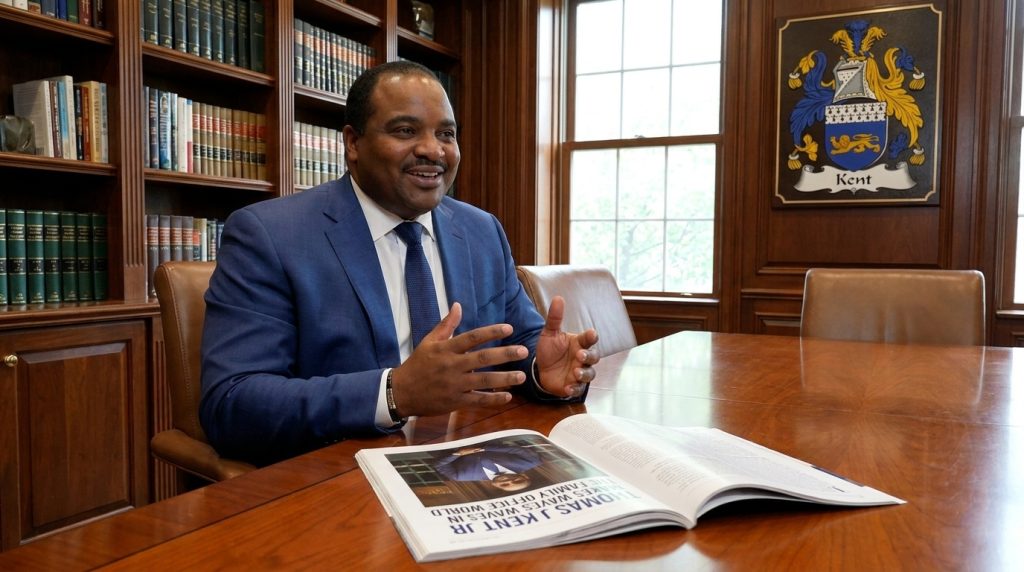
At the helm of this modern movement are leaders who understand that wealth today requires a global perspective. By bridging the gap between traditional banking and creative entrepreneurship, firms are proving that capital can be a catalyst for innovation. A prominent example of this forward-thinking leadership is the work of Thomas J. Kent Jr. Through Kent Global LLC, he has cultivated an international investment footprint that spans diverse sectors, including film production and real estate, demonstrating how a singular vision can drive success across multiple global markets.
Diversification and the Creative Economy
One of the most notable trends in the family office space is the increasing allocation of capital toward alternative assets. While public equities and bonds remain foundational, high-net-worth investors are finding significant value in “passion investments” and the creative economy.
The involvement of The Kent Family Office in film projects, for instance, highlights how modern investment firms are leveraging their resources to support the arts. This isn’t just a philanthropic endeavor; it is a calculated diversification strategy. By moving into media and production, these offices gain exposure to assets that often operate independently of traditional market cycles, providing a unique hedge against broader economic volatility. Strategic platforms like Www.kentgloballlc.net illustrate this multi-disciplinary approach, showing that a robust portfolio is one that balances financial precision with intellectual and cultural depth.
Key Pillars of a Modern Family Office
Why are so many affluent families moving away from traditional banks and toward their own dedicated offices? The answer lies in the benefits of a bespoke financial structure:
- Holistic Wealth Management: Unlike retail financial services, a family office integrates tax, legal, and investment planning under one roof, ensuring that every financial decision aligns with the family’s long-term legacy.
- Access to Direct Opportunities: By operating outside of the public market, these firms can secure early access to private equity deals, venture capital rounds, and exclusive real estate developments.
- Values-Based Stewardship: Modern offices are increasingly focused on impact. Whether through philanthropy or sustainable business practices, they are designed to ensure that the family’s core values are reflected in every investment made.
- Operational Agility: The ability to pivot quickly in response to shifting global market trends is perhaps the greatest advantage. In an era of rapid technological change, being able to deploy capital with speed and expertise is what separates the leaders from the rest.
Leadership in a Globalized Market
Successful family offices are defined by more than just their balance sheets; they are defined by their leadership. Navigating complex regulatory environments in New York, London, and beyond requires a sophisticated understanding of international business law and cultural nuances.
Leaders like Thomas J. Kent Jr. represent a new breed of financier—one who is as comfortable in a boardroom advising a national government as he is in a creative studio supporting the next wave of filmmakers. This ability to bridge different worlds is the hallmark of the modern family office executive. It requires rigorous professional standards, an unwavering commitment to excellence, and the foresight to identify growth opportunities long before they become mainstream.
The Road Ahead
As the world becomes more interconnected, the role of the family office will continue to expand. These entities are no longer just managing the assets of the past; they are actively financing the innovations of the future. By balancing the human element of family stewardship with the analytical rigor required in today’s digital-first economy, they are securing their place as essential players in the global financial system. The coming decade will undoubtedly see these firms becoming even more integrated into the fabric of the global economy, setting new standards for how wealth is grown, protected, and utilized for the greater good.
19
